The Graham Blueprint: How a Senator's Tough-on-Russia Stance Could Enrich His Portfolio

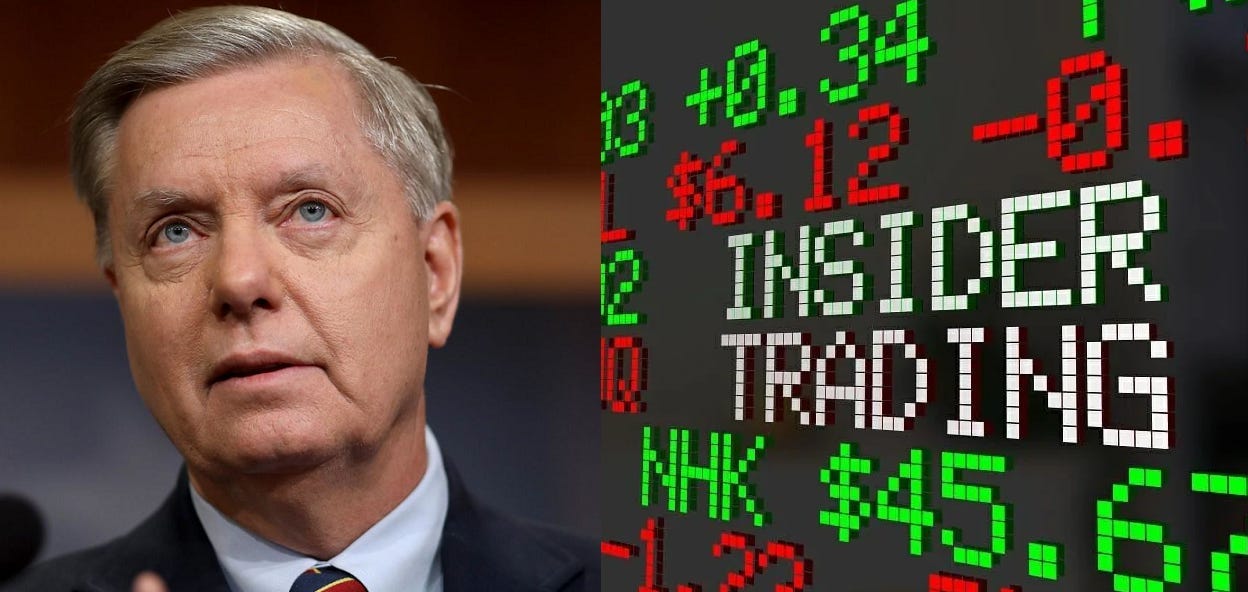
WASHINGTON — When Senator Lindsey Graham (R-S.C.) took to the Senate floor last month to propose crushing 500% tariffs on nations doing business with Russia, he framed it as a moral imperative. "We must bankrupt Putin's war machine," he declared.
But an examination of Graham's personal finances reveals a troubling pattern: the very companies that would benefit most from his proposed tariffs happen to be those in which he holds substantial investments — a coincidence that ethics experts say stretches credulity. Meanwhile, the policy would drive up the cost of gas and groceries — hitting American families when they can least afford it.
The Defense Windfall
At the heart of Graham's portfolio are defense contractors poised to capitalize on escalating tensions. The senator holds between $700,000 and $850,000 in Lockheed Martin, the maker of HIMARS rocket systems that have become Ukraine's weapon of choice. Another $50,000 to $100,000 sits in Raytheon Technologies, producer of the Javelin missiles currently decimating Russian tanks.
Graham's tariffs would create what analysts estimate could be $4 billion in new contracts for these firms. Since Russia's invasion of Ukraine, Lockheed's stock has already surged 38% — a trend that would accelerate under Graham's proposal.
The Energy Play
The senator's financial interests extend to the energy sector, where his $450,000 to $600,000 stake in Chevron stands to benefit from the market disruption his tariffs would create. By blocking Russian oil and gas exports to major buyers like India and China, the policy would:
· Force Europe to pay premium prices for U.S. liquefied natural gas
· Drive Chevron's profits up an estimated 15-25%
· Benefit Cheniere Energy, America's largest LNG exporter and a Graham donor
The Hidden Bets
Most troubling may be what isn't visible in Graham's disclosures. Congressional ethics rules:
· Don't require reporting of derivatives like put options
· Allow family members to trade freely
· Exempt private equity investments
This means Graham could theoretically:
· Profit from Airbus's collapse through undisclosed put options
· Have relatives trade on his policy knowledge
· Hold stakes in defense-focused private equity funds
The Collateral Damage
Senator Lindsey Graham’s plan to impose steep tariffs on nations trading with Russia could trigger price hikes on key imports, squeezing American consumers already grappling with high inflation.
Products like gasoline and diesel could see prices jump by 10-15%, while nickel, aluminum, and titanium (critical for cars, electronics, and aerospace) may become 20-30% more expensive due to disrupted supply chains. Everyday items like laptops, smartphones, and appliances could also climb by 5-10%.
While supporters argue the tariffs will cripple Moscow’s war funding, opponents caution that the financial hit to U.S. households and businesses could outweigh geopolitical gains, especially if retaliatory tariffs target American agriculture and manufacturing exports.
A System in Need of Reform
Sixty-seven percent of Americans are in support of banning lawmakers from trading stocks, according to a new poll from progressive firm Data for Progress.
A recent investigation found that a dozen lawmakers and 182 of their congressional staff had violated the STOCK ACT, which requires timely disclosure of stock purchases in order to counteract insider trading.
Graham has consistently opposed such reforms, including the TRUST in Congress Act that would mandate blind trusts. His office maintains his investments are properly disclosed and his policies driven solely by national security concerns.
But as the Senate prepares to debate his tariff proposal, one question lingers: In a system where policy and portfolio align so neatly, how can taxpayers be sure whose interests truly come first?